Plot Chatter
Author Spotlight: Ali Hazelwood | Spoilers included – QUICK READ
Ali Hazelwood has a consistent formula. STEM setting, a heroine who is brilliant and somewhat oblivious- who almost always underestimates herself, a hero who has been quietly, embarrassingly gone for her since before she noticed him, fake dating or forced proximity, a miscommunication that drives the whole back half of the book, and a resolution that makes you feel like you just held your breath for six hours and finally let it out.
Sometimes it works perfectly. Sometimes the science crowds out the romance. Sometimes the villain is cartoonish, the timeline is confusing, or the epilogue fumbles a landing the rest of the book had perfectly set up. Sometimes she takes a left turn into paranormal territory and markets it like a thriller and you deserve to know that going in.
LD has now read seven Ali Hazelwood books. Here they are — ranked from best to worst, with full spoilers on every single one, because that’s why you’re here.
⚠️ Every book below we’ve reviewed. Every spoiler. You have been warned.
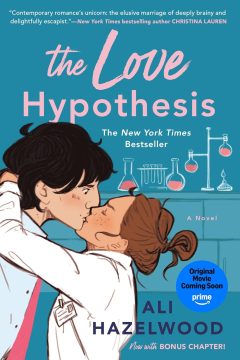
THE LOVE HYPOTHESIS
Olive Smith is a third-year PhD student at Stanford who has spent most of her academic life second-guessing whether she belongs there. Her friend Anh has a crush on a guy but keeps backing off because she thinks Olive still has feelings for him — so Olive, in a panic, grabs the nearest person to kiss as "proof" she's moved on. The nearest person is Adam Carlsen: famously intimidating, almost universally hated in the grad student pool, and the last person on earth she would have chosen if she'd had two seconds to think. He doesn't pull away. And then he suggests they keep it going — fake dating, publicly, through the semester.
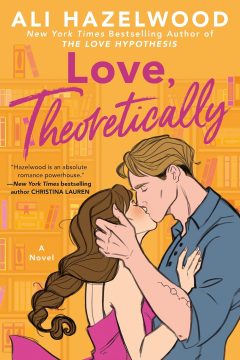
LOVE, THEORETICALLY
Elsie Hannaway is a theoretical physicist trapped in adjunct hell - brutal teaching loads, no healthcare, no stability. To survive, she works for a premium fake-dating agency. Her only regular client is Greg, who uses her to keep his family off his back at quiet dinners. Low key, easy, fine. Then she gets an interview for her dream job at MIT. The head of the hiring committee: Jack Smith, Greg's older brother, an experimental physicist famous for writing a paper that declared theoretical physics professionally useless. Her nemesis before they've properly met - except she knew him as Greg's nice older brother, and he knew her as a librarian, and neither of them is any of that. Jack's superpower is that he can see straight through Elsie. She has spent her entire life becoming whoever the room needs her to be. One of my favourite parts of the book.
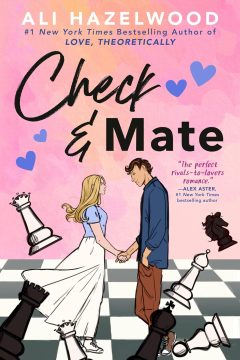
CHECK & MATE
Mallory Greenleaf used to love chess. At eighteen she's done with it — she quit, she moved on, she works as a mechanic and holds her family together because her mom is sick and someone has to. When her best friend Easton needs a warm body for a charity tournament, Mallory shows up as a favour. She gets paired against Nolan Sawyer, the world chess champion. She forgets to use the chess clock because she's nervous. She wins anyway. The chess world completely loses it. A fellowship offer shows up at her door the next day — real money, more than she'd make in years.
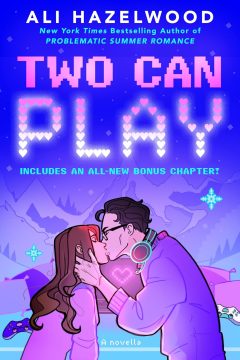
TWO CAN PLAY
Viola is a lead game designer at FlyButter Studios who has just landed the project of her career: Limerence 3, an adaptation of her all-time favourite high fantasy series — the one she bonded over with her late father. The catch: the publisher mandates a combat component and forces a collaboration with fierce rival studio Nephilim. Viola has to co-lead with Jesse Andrews, Nephilim's star designer and her long-time professional nemesis. What she's never told anyone: she had a massive crush on Jesse when they first crossed paths. Years of what read to her as coldness and dismissal — culminating in a mortifying almost-moment under the mistletoe — convinced her he despised her. She locked the feelings away and decided to hate him back.
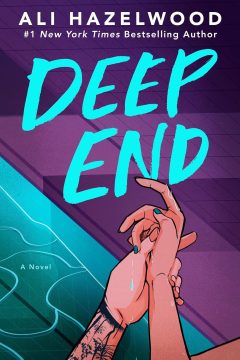
DEEP END
Vandy is an elite diver. Lukas is a Swedish Olympic swimmer. They're training in the same facility and the chemistry is immediate and extremely inconvenient given that they're both competing at the highest levels of different sports and have zero time for anything complicated. The BDSM checklist scene deserves to be called out directly because it's rare: the negotiation is handled with genuine care and specificity in a way that romance novels almost never get right. It doesn't feel like a plot device. It feels like two people actually talking about what they want and what they're comfortable with, and the result is more intimate than most explicit scenes LD has read.

BELOW ZERO
Hannah Oroyo built her entire academic path around working at NASA. She made it. Her first field assignment puts her in the Arctic — alone — when her equipment fails, the storm arrives ahead of schedule, and NASA tells her it's too dangerous to send anyone until the storm passes. Which will be too late. Ian's voice comes over the radio. He's already on his way.
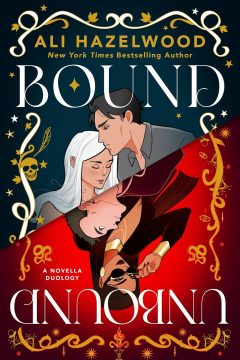
BOUND
An art historian with a rare gift for spotting forgeries gets pulled into authenticating fakes, which is interesting enough on its own. Then she gets kidnapped by Viktor, who needs her specifically to forge a particular book. The slow realization of what she's gotten into and who Viktor is was working. Then the "Revenants" show up. They're vampires. They insist they're not vampires. They are vampires
Our Take
The Hazelwood Formula — and When It Works
Ali Hazelwood is very good at one specific thing: heroes who have been paying attention long before the heroine knew anyone was watching. Adam had the whole Stanford bathroom story filed away for years. Jack saw through every version of Elsie's performance and waited for the real one. Jesse found Viola's portfolio and got her an interview before she ever knew he existed. Ian tracked Hannah's coordinates from a boat offshore. The hero is already gone by the time the book starts, and the reveal of how long and how quietly is always the best scene.
Where the formula wobbles in my opinion: when the miscommunication is flimsy, when the STEM content crowds out the emotional work, or when the ending can't quite match the setup. The Love Hypothesis and Love, Theoretically are the ones where everything clicks. The rest of the catalog sits at various points below that bar — still often worth reading, rarely what those two are.
Start with The Love Hypothesis. Read Love, Theoretically immediately after. Then go wherever you want.